%2Ffit-in%2F250x250%2Fguide_websites%2F59104%2Fimages%2F1767156203827jasonthornlogo.jpg&w=1920&q=100)
/users/960f91c1-af46-4022-92f8-c9cd5e28272d/ratecard/577038011_122100584145104421_8033969070385093916_n-mjtidtdy.jpg)
%2F300x300%2Fusers%2F960f91c1-af46-4022-92f8-c9cd5e28272d%2Fratecard%2F577038011_122100584145104421_8033969070385093916_n-mjtidtdy.jpg&w=256&q=75)
%2F300x300%2Fusers%2F960f91c1-af46-4022-92f8-c9cd5e28272d%2Fimages%2Falaskan-fishing-adventure-2632.jpg&w=256&q=75)
%2F300x300%2Fusers%2F960f91c1-af46-4022-92f8-c9cd5e28272d%2Fimages%2Fbest-great-fishing-kenai-2734.jpg&w=256&q=75)
%2F300x300%2Fusers%2F960f91c1-af46-4022-92f8-c9cd5e28272d%2Fimages%2Fbest-great-fishing-alaska-rainbow-2781.jpg&w=256&q=75)
%2F300x300%2Fusers%2F960f91c1-af46-4022-92f8-c9cd5e28272d%2Fimages%2Falaskan-fishing-escapade-2449.jpg&w=256&q=75)
%2F300x300%2Fusers%2F960f91c1-af46-4022-92f8-c9cd5e28272d%2Fimages%2Falaskan-coastal-fishing-adventure-2235.jpg&w=256&q=75)
%2F300x300%2Fusers%2F960f91c1-af46-4022-92f8-c9cd5e28272d%2Fimages%2Ffantastic-fishing-kenai-2176.jpg&w=256&q=75)
%2F300x300%2Fusers%2F960f91c1-af46-4022-92f8-c9cd5e28272d%2Fimages%2Ffishing-adventure-kenai-2238.jpg&w=256&q=75)
%2F300x300%2Fusers%2F960f91c1-af46-4022-92f8-c9cd5e28272d%2Fimages%2Fbreathtaking-kenai-fishing-adventure-2198.jpg&w=256&q=75)
%2F300x300%2Fusers%2F960f91c1-af46-4022-92f8-c9cd5e28272d%2Fimages%2Fkenai-fishing-adventure-2206.jpg&w=256&q=75)
%2F300x300%2Fusers%2F960f91c1-af46-4022-92f8-c9cd5e28272d%2Fimages%2Fscenic-kenai-fishing-adventure-2175.jpg&w=256&q=75)
Kenai Commercial Salmon Fishing Boatloads Alaska
 Kenai River
What you will be catching:
 Coho Salmon
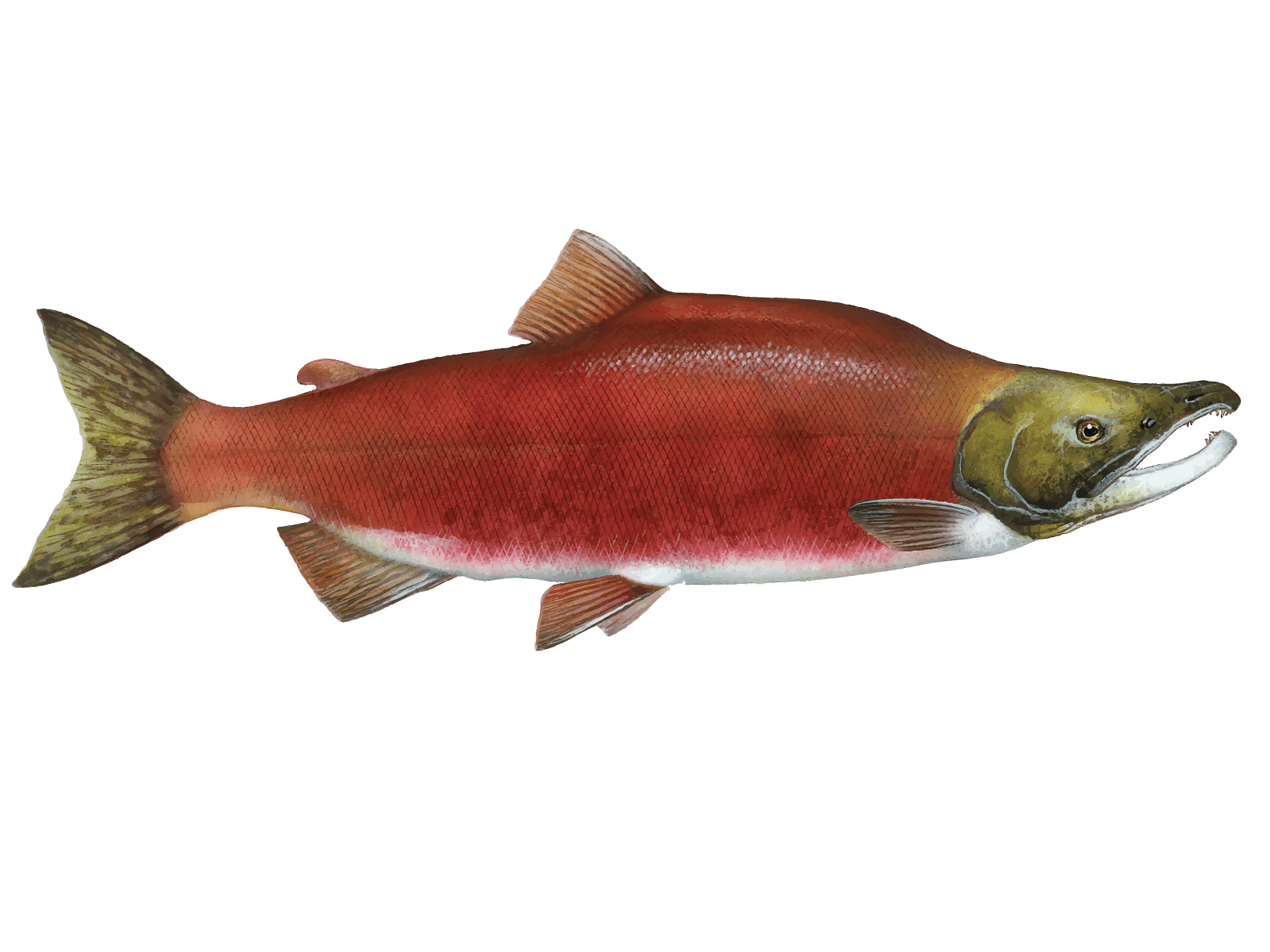
 Sockeye Salmon
- Four-day commercial dip net fishing experience with licensed crew
- Unlimited catch retention plus full lodging, meals, and peninsula tour
- Peak season July-September accommodating up to 16 guests total
Trip Pricing and Availabilities:
Kenai Alaska Premium Commercial Fishing Trip
Get ready for a world-class commercial fishing adventure that puts you right alongside licensed crews in some of Alaska's most productive waters. This isn't your typical charter boat experience – you'll be working as part of a real commercial operation during the peak salmon runs from July through September. With lodging, meals, and a dedicated vehicle included, plus the chance to keep everything you catch with no limits, this top-rated fishing experience delivers serious value for serious anglers. Whether you're flying solo or bringing friends, our shared trips accommodate up to 16 guests while ensuring everyone gets hands-on time with the gear and the catch.
What to Expect on the Water
This 4-day fishing experience drops you right into the action with a licensed commercial crew working the renowned Kenai Peninsula waters. You're not just watching from the sidelines – you'll be hauling nets, sorting fish, and learning the tricks that commercial crews use to find salmon when they're running thick. The boat heads out early and stays late during prime feeding times, so expect long but rewarding days on the water. Your Top Tier rate includes lodging for the full stay with breakfast and dinner daily, keeping you fueled for those marathon fishing sessions. Between fishing days, you'll have access to vehicles for exploring the peninsula on your own, plus a guided sightseeing tour that covers all the must-see spots most visitors miss.
Commercial Crew Techniques
Working alongside seasoned commercial fishermen means learning techniques you won't pick up on regular charter trips. These crews know exactly where salmon stage before their river runs, how to read current breaks and temperature changes, and when to deploy different net configurations for maximum results. You'll get hands-on experience with commercial-grade equipment including seine nets, fish holds, and sorting systems that can handle massive volumes of fish. The crew will teach you to identify different salmon species on sight, understand migration patterns, and spot the subtle signs that separate a good fishing day from a legendary one. This isn't just about catching fish – it's about understanding how Alaska's salmon fishery really works from the inside out.
Top Catches This Season
Coho salmon are the crown jewel of this fishing experience, and for good reason. These silver rockets typically run 8-12 pounds in Kenai waters, though fish pushing 15-20 pounds show up regularly during peak season. Cohos are aggressive feeders and fierce fighters, known for their acrobatic jumps and long runs that can strip line fast if you're not ready. The best action happens from mid-July through early September when these fish are fresh from the ocean and loaded with energy. What makes cohos special here is their incredible eating quality – the flesh is firm, rich, and perfect for grilling, smoking, or freezing for the trip home.
Sockeye salmon represent the backbone of Alaska's commercial fishery, and you'll see why once you start hauling them aboard. These bright red fish average 6-8 pounds but make up for size with sheer numbers during peak runs. Sockeyes are notoriously picky eaters, which is why working with commercial gear gives you such an advantage over traditional rod-and-reel methods. The best sockeye action typically peaks in July when massive schools push through Kenai Peninsula waters heading for their spawning rivers. These fish are prized for their deep red meat and rich flavor – many locals consider sockeye the best eating salmon in Alaska, and after your first taste, you'll understand the hype.
Time to Book Your Spot
This premium commercial fishing experience fills up fast during peak season, and with good reason. The combination of unlimited catch limits, professional crew instruction, included lodging and meals, plus vehicle access for exploring makes this one of the best fishing values in Alaska. At $10,750 per person, you're getting access to commercial fishing grounds and techniques that most anglers never experience, along with the chance to bring home enough salmon to fill your freezer for the year. The all-inclusive approach means no surprise costs or hidden fees – even adult beverages are included. Just remember that deposits are non-refundable, so make sure your dates work before booking. With only 16 spots available per trip and solo travelers welcome, this customer favorite books solid through the prime July-September season.
Learn more about the species
Coho Salmon
Also called silvers, coho are the acrobats of the salmon world - they'll jump clean out of the water and put up a serious fight. Running 8-12 pounds on average, these chrome-bright fish patrol the deeper channels and eddies of the Kenai River system. July through September is prime time when they're pushing upstream to spawn. What makes them special is that incredible jumping ability - they can leap 6 feet straight up - and their bright orange meat tastes phenomenal. The key trick here is presentation near the bottom where they're cruising. Use bright patterns like chartreuse or pink, and when you feel that first hit, keep your rod tip up because they're going airborne fast.
Sockeye Salmon
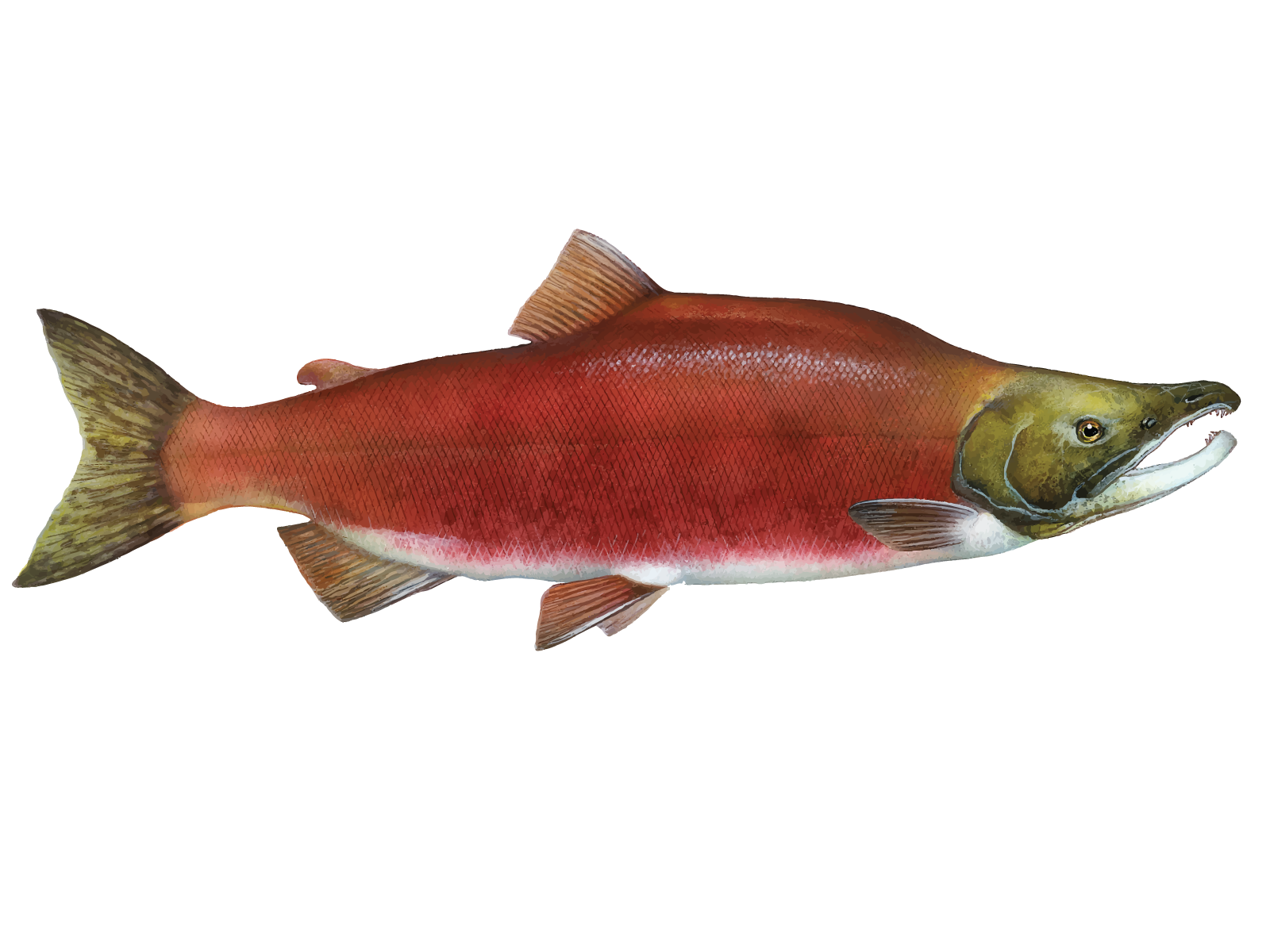
Red salmon are the prize of Alaska - these bright silver fish turn deep red when spawning and have some of the richest, most flavorful meat you'll find. They typically run 4-15 pounds and stay close to bottom structure in the main river channels. Peak season runs May through September when massive runs push through Kenai waters. What sets sockeye apart is their laser focus on getting upriver - they're not aggressive feeders, so timing and placement matter more than flashy lures. The meat is oily, deep red, and commands top dollar at markets. Pro tip: use smaller flies in low water and work the deeper holes where they stack up. Their mouths open and close as they swim, so get your leader right at mouth level.